Upgrade Your Home Now!
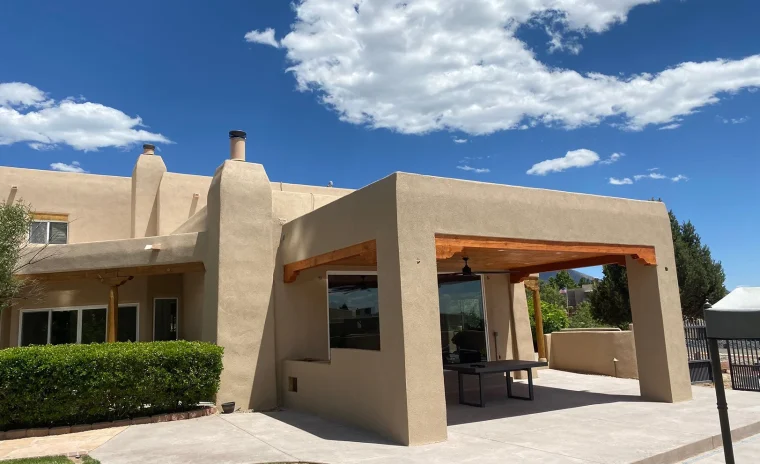
Why Choosing the Right Builder Matters for Your New Home
Understanding the Custom Home Building Process
Building a custom residence from the ground up represents one of the most significant investments and rewarding experiences in a lifetime. The journey from initial concept to move-in day involves careful planning, skilled execution, and a partnership with professionals who understand both the technical requirements and the emotional significance of creating a personalized living space.
The custom construction process typically begins with site selection and assessment. In the Albuquerque area, factors like soil composition, drainage patterns, and orientation to maximize views of the Sandia Mountains or capture natural light become essential considerations. Understanding local building codes, zoning restrictions, and homeowners association requirements ensures your project starts on solid footing.
Once the site is secured, the design phase transforms your vision into detailed architectural plans. This collaborative stage involves working with designers to create floor plans that reflect how you actually live. Whether you prioritize open-concept entertaining spaces, dedicated home offices, or multi-generational living arrangements, the design should align with your lifestyle today while anticipating future needs.
Permitting and approvals follow the design phase. Navigating municipal requirements, utility connections, and inspection schedules requires experience with local regulations. This administrative groundwork, while less exciting than choosing finishes, protects your investment and prevents costly delays during construction.
Construction itself progresses through distinct phases: site preparation and foundation work, framing and structural elements, rough mechanical installations, exterior finishing, interior systems, and final finishes. Each stage builds upon the previous work, requiring coordination among multiple trades and careful quality control to maintain the project timeline and budget.
Design Considerations for Albuquerque’s Unique Climate
Designing a residence in Albuquerque requires thoughtful attention to the high desert climate, which presents both challenges and opportunities. With over 300 days of sunshine annually, intense UV exposure, dramatic temperature swings between day and night, and minimal precipitation, architectural choices significantly impact comfort, energy efficiency, and long-term maintenance.
Orientation matters tremendously in this climate. Strategic window placement captures winter sun for natural heating while minimizing summer heat gain through south-facing glass. North-facing windows provide consistent natural light without excessive solar heat. East and west exposures require careful consideration, as low-angle morning and afternoon sun can create glare and heat issues without proper shading strategies.
Thermal mass construction techniques take advantage of the climate’s daily temperature variations. Materials like concrete, adobe, or stone absorb heat during warm days and release it during cooler evenings, naturally moderating indoor temperatures. Combined with proper insulation values that exceed minimum code requirements, these strategies reduce heating and cooling costs substantially.
Roofing selections must withstand intense UV radiation and occasional severe weather. Flat or low-slope roofs common in southwestern architecture require quality waterproofing systems and proper drainage design despite low rainfall. The intense sun degrades lesser materials quickly, making durability a priority over initial cost savings.
Exterior finishes should complement the natural landscape while requiring minimal water for maintenance. Stucco remains popular for its thermal properties and aesthetic versatility, though proper application techniques prevent moisture intrusion and cracking. Native and drought-tolerant landscaping reduces water consumption while creating outdoor spaces that thrive in the local environment.
Indoor air quality deserves attention in this dry climate. Whole-house humidification systems prevent respiratory discomfort and protect wood finishes and furnishings from damage caused by extremely low humidity levels during winter months. Proper ventilation systems maintain fresh air circulation without compromising energy efficiency.
Budgeting and Financial Planning for Your Project
Establishing a realistic budget stands as one of the most critical steps in custom construction. Understanding true project costs, including both obvious expenses and less apparent financial considerations, prevents mid-project surprises that can compromise design goals or create financial stress.
Construction costs extend beyond the builder’s contract. Land acquisition, if not already owned, represents a significant upfront investment. Site development expenses including utility connections, grading, and driveway installation vary widely depending on lot conditions. Properties requiring well drilling or septic systems rather than municipal connections face additional costs that can reach tens of thousands of dollars.
Architectural and engineering fees typically range from eight to fifteen percent of construction costs, depending on design complexity. Structural engineering for custom features, energy modeling for high-performance construction, and specialized consultants for elements like geothermal systems or smart home integration add to professional service expenses.
Permitting and impact fees vary by jurisdiction but can represent substantial line items, particularly in municipalities with development impact charges for schools, parks, and infrastructure. Understanding these costs early prevents budget shock during the approval process.
The construction contract itself should detail inclusions and exclusions clearly. Allowances for fixtures, finishes, and appliances require careful attention. Underestimating these selections leads to difficult choices later between compromising on quality or exceeding budget. Premium appliances, custom cabinetry, high-end tile and countertops, and quality plumbing fixtures quickly consume allowances if not researched during budgeting.
Contingency reserves protect against unforeseen conditions and changes. Industry standards recommend ten to fifteen percent of construction costs for contingencies. Site conditions discovered during excavation, material price fluctuations, or design modifications during construction draw from this reserve. Projects without adequate contingency funds risk incomplete finishes or debt beyond original planning.
Financing options for custom construction differ from traditional mortgage products. Construction loans typically involve interest-only payments during building, converting to permanent financing upon completion. Understanding draw schedules, inspection requirements, and conversion terms helps select appropriate financing structures. Some buyers choose to build with cash reserves, avoiding construction loan complexity but requiring significant liquid assets.
Long-term ownership costs deserve consideration during design and material selection. Energy-efficient systems and quality construction may increase upfront investment but reduce utility expenses and maintenance requirements for decades. Cheaper alternatives often prove more expensive over a home’s lifespan through higher operating costs and earlier replacement needs.
Selecting Materials and Finishes That Last
Material and finish selections define both the aesthetic character and functional performance of your residence. These choices affect daily living experience, maintenance requirements, and long-term value. Balancing personal preferences with practical considerations creates spaces that remain beautiful and functional for years.
Flooring represents one of the most visible and heavily used surfaces in any residence. In Albuquerque’s climate, materials must withstand tracked-in sand and dust without showing excessive wear. Tile flooring offers durability and easy maintenance while providing thermal mass benefits. Porcelain tile resists staining and moisture better than natural stone, though many homeowners appreciate the unique character of travertine or slate. Hardwood adds warmth but requires appropriate species selection and finish techniques to handle low humidity without excessive seasonal movement.
Kitchen and bathroom countertops endure daily use and must resist scratching, staining, and heat damage. Granite remains popular for its natural beauty, durability, and value retention. Quartz engineered surfaces offer consistent patterning and low maintenance without sealing requirements. Each material brings different practical and aesthetic qualities that should align with how you use these spaces.
Cabinetry construction quality varies dramatically across price points. Solid wood face frames, dovetail drawer construction, and quality hardware mechanisms justify higher investment through decades of reliable service. Finish quality and door styles allow personalization while construction methods determine longevity. Custom cabinet design maximizes storage efficiency for your specific needs rather than adapting your belongings to standard configurations.
Plumbing fixtures combine functionality with style across bathrooms and kitchens. Quality faucets feature ceramic disc valves that prevent drips and last for years without maintenance. Finish options from polished chrome to oil-rubbed bronze create different aesthetic effects, though durability of finish coatings varies by manufacturer and price point. Toilets, sinks, and tubs range from basic function to statement pieces, with water efficiency and ease of cleaning as practical considerations beyond appearance.
Interior paint quality affects both application results and longevity. Premium paints cover better, resist fading, and clean more easily than economy options. In Albuquerque’s intense sunlight, fade resistance matters particularly for rooms with significant window exposure. Proper surface preparation and application technique matter as much as paint quality for achieving beautiful, lasting results.
Exterior materials face harsh conditions including intense UV exposure, temperature extremes, and occasional severe weather. Stucco requires proper installation over appropriate substrates with correct moisture management details. Window and door quality affects energy efficiency, security, and weather resistance. Investing in quality exterior materials prevents premature deterioration and expensive repairs.
Lighting selections influence ambiance, functionality, and energy consumption. LED technology now offers excellent color rendering with minimal energy use across various fixture styles. Layered lighting design with ambient, task, and accent sources creates flexible spaces that adapt to different activities and times of day. Smart lighting controls add convenience while optimizing energy efficiency.
Working with Professionals Who Deliver Results
The relationship with your construction team profoundly impacts project experience and outcomes. Selecting professionals with proven capabilities, clear communication practices, and alignment with your priorities sets the foundation for success.
Experience with custom construction specifically matters more than general contracting background. Custom projects involve constant decision-making, problem-solving for unique design elements, and coordination of specialized trades that production building never encounters. Ask potential builders about similar projects they have completed, and request references from past clients whose projects mirror your scope and complexity.
Licensing and insurance protect your investment. Verify that contractors hold appropriate state licenses and maintain adequate liability and workers compensation coverage. These requirements exist to protect property owners from financial exposure if accidents or disputes occur. Reputable professionals maintain proper credentials and provide documentation readily.
Communication style and frequency expectations should align between you and your builder. Custom construction involves hundreds of decisions, from structural details to finish selections. Establishing clear communication channels, regular progress meetings, and decision-making timelines prevents delays and ensures your preferences guide the project. Builders who explain options, discuss implications of various choices, and keep clients informed create better experiences than those who avoid communication until problems arise.
Project management capabilities determine whether construction progresses smoothly or stumbles through delays and coordination failures. Quality builders maintain detailed schedules, coordinate trades efficiently, conduct thorough inspections at each phase, and address issues promptly. They understand that your time has value and that living through extended construction timelines creates stress beyond the project itself.
Transparency in pricing and change order processes protects both parties. Detailed contracts specify inclusions, allowances, and procedures for handling modifications. Reputable builders provide clear documentation for any changes to scope or cost, allowing informed decisions rather than surprise bills. Understanding how potential changes affect budget and timeline before proceeding prevents disputes and regrets.
Quality control processes ensure work meets standards at every phase. Builders committed to excellence conduct thorough inspections, address deficiencies immediately, and stand behind their work after completion. The difference between adequate construction and outstanding results often lies in attention to detail and willingness to correct small issues before they become visible in the finished product.
Precision Homes Construction & Management LLC brings extensive experience in custom residential construction and remodeling throughout the Albuquerque area. Our team understands the unique considerations of building in the high desert climate, from material selections that withstand intense sun and temperature extremes to design strategies that maximize energy efficiency and comfort. We manage every aspect of the construction process with meticulous attention to detail, ensuring projects stay on schedule and within budget while maintaining the highest quality standards. Our commitment to clear communication means clients remain informed and involved at every decision point, while our proven project management systems coordinate trades efficiently to prevent delays. Whether you are planning a new custom residence from the ground up or considering significant remodeling to transform an existing property, our personalized approach ensures your vision becomes reality through skilled craftsmanship and professional execution. Building or remodeling your residence represents a significant investment and an opportunity to create exactly the living environment you desire. By understanding the process, making informed decisions about design and materials, establishing realistic budgets, and partnering with qualified professionals, you can navigate this journey with confidence. The result is a personalized space that reflects your lifestyle, meets your practical needs, and provides satisfaction for years to come.